

Inclusive Cultures
Creating Inclusive Workplaces
Support for the everyday conditions people need to do their best work: psychological safety, neuro-inclusion, cross-generational working and support through midlife.
For HR & People leaders · Managers
An inclusive workplace is felt in small things: whether quieter voices are invited in, whether a leader owns a mistake, whether someone can ask for an adjustment without it becoming a big deal.
We help organisations understand what shapes belonging in their own workplace, then coach leaders and teams to change it. Our work covers four areas where small changes make a big difference.
Who it’s for
- HR and people leaders building an inclusion programme
- Managers who want every team member to contribute fully
- Organisations supporting neurodivergent colleagues
- Teams spanning several generations
The challenge
What we help with
Psychological safety and belonging
If speaking up might cost opportunity or credibility, people stay quiet. Leaders learn to notice the signals and create safety in everyday moments.
Neuro-inclusion
Workplaces built around one way of thinking ask neurodivergent colleagues to fit in. Small adjustments, like written summaries or different meeting formats, help everyone work at their best.
Cross-generational working
Different generations bring different expectations of what good work looks like. Without curiosity, that becomes friction instead of strength.
Menopause and midlife
Midlife often brings menopause, caring responsibilities or health changes. Treated as private matters, they cost organisations experienced people.
Outcomes
What changes
- Teams that speak upMore openness, creativity and trust as people feel safe to contribute.
- Workplaces that work for different mindsThe right adjustments and less stigma, so neurodivergent colleagues can do their best work.
- Generations that collaborateRespect built on understanding, and a richer mix of ideas.
- Experienced people who stayManagers confident to support colleagues through midlife transitions.
Our approach
How it works
Understand what shapes belonging
We explore how inclusion is experienced in your workplace, and where the barriers are.
Coach leaders
Leaders learn to spot the subtle signals and build the habits that create safety and belonging.
Work with teams
Dialogue and reflective exercises help teams move from stereotypes to understanding.
Make the changes
We help you identify the adjustments, from meeting formats to quiet spaces, that make the biggest difference.
Your coach
Coaches who specialise in creating inclusive workplaces
Drawn from our in-house and affiliate network of 70+ coaches, and matched to your people after a first conversation.
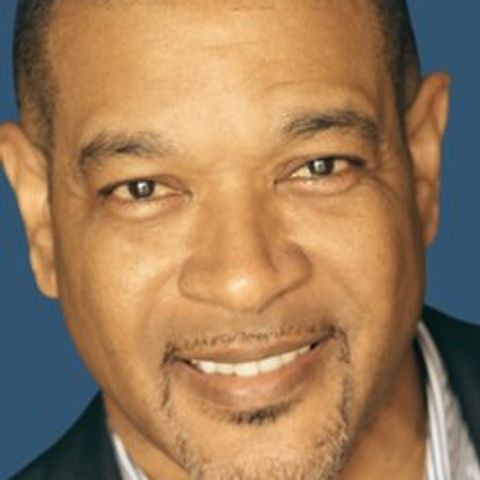

Nick Robinson
Group Coach & Facilitator
Insights
Further reading
The Power of Kindness in the Workplace
Nice keeps things pleasant; kind takes intention, courage and time. Coach Nick Ferraiolo on why kindness is a leadership strength, how it lifts performance, and how to build it into a culture.
Questions and answers
What makes a workplace inclusive?
People feel safe to speak up, are treated fairly and can do their best work without masking who they are. In practice it’s built from everyday behaviour: how meetings run, how leaders respond to mistakes and challenge, and whether people can ask for what they need.
What is neuro-inclusion at work?
Neuro-inclusion means designing work to suit different ways of thinking, processing and communicating, rather than expecting everyone to adapt to one style. It often starts with simple adjustments, such as written summaries, clear agendas or quieter spaces, and with challenging assumptions about how good work should look.
How can different generations work better together?
By replacing stereotypes with curiosity. When teams understand what shapes each other’s expectations and motivations, differences in working style become easier to talk about. Leaders help by framing decisions in ways that make sense across age groups and by valuing a mix of perspectives.
How can employers support people through menopause and midlife?
Make it normal to talk about, train managers to have supportive conversations without needing medical knowledge, and offer adjustments such as flexibility, temperature control or quiet spaces. Recognise that midlife can also bring caring responsibilities and health changes.
Talk to us about creating an inclusive workplace
Tell us where you want to start, whether that’s psychological safety, neuro-inclusion, generations or midlife support.