


Leadership Development
Leading Connected Teams
Coaching that helps leaders build teams where everyone can contribute: psychological safety, emotional intelligence, cultural dexterity and the confidence to handle difficult moments well.
For Senior leaders · Managers
Inclusion isn’t an instinct. It’s a set of behaviors leaders learn and practice: noticing who isn’t speaking, inviting challenge, and handling conflict without blame. People expect it as standard, and teams perform better when they get it.
Our inclusive leadership programs help leaders understand how identity, power and culture shape people’s experience of work, including their own. Through coaching and reflective practice, they turn that understanding into everyday habits.
Who it’s for
- Leaders of diverse, global or hybrid teams
- Managers who want their teams to speak up and contribute fully
- Senior leaders responsible for culture and fair progression
- Organizations embedding inclusion into how they develop leaders
The challenge
What we help with
Silence that looks like agreement
Without psychological safety, people hold back ideas and concerns, not because they lack capability but because the risk feels too high.
Good intentions, inconsistent behavior
Many leaders support inclusion in principle but aren’t sure what to do in the moment, so they say nothing when something needs saying.
Reacting instead of responding
A leader’s mood and reactions set the climate for the whole team. Under pressure, it’s easy to shut down the very challenge the team needs.
Different norms, misread signals
In global and hybrid teams, leaders can mistake cultural difference for disengagement, and judge performance through their own lens.
Conflict that goes unrepaired
Avoided or badly handled conflict erodes trust. Leaders need the skills to address tension early and rebuild trust afterward.
Outcomes
What changes
- Teams that speak upPsychological safety that brings ideas, questions and concerns into the open, where they can be acted on.
- Leaders who act, not just agreeVisible, everyday behavior: inviting quieter voices, sharing credit, and challenging exclusion when they see it.
- Steadier leadershipLeaders who understand their own triggers and respond rather than react, especially in sensitive conversations.
- Better collaboration across differenceCommunication that works across cultures, generations and working styles.
- Healthier conflictTension surfaced early, handled with curiosity, and repaired so trust grows.
Our approach
How it works
Understand the starting point
We explore how inclusion is experienced in your organization today, and what leaders need to do differently.
Reflect on self and identity
Leaders examine their own identity, cultural lens and blind spots in a confidential space, with curiosity.
Practice the behaviors
Coaching and group work focus on real moments: running meetings, giving feedback, handling conflict and repairing trust.
Embed in daily leadership
Leaders commit to specific habits, review progress and share what works across their teams.
Your coach
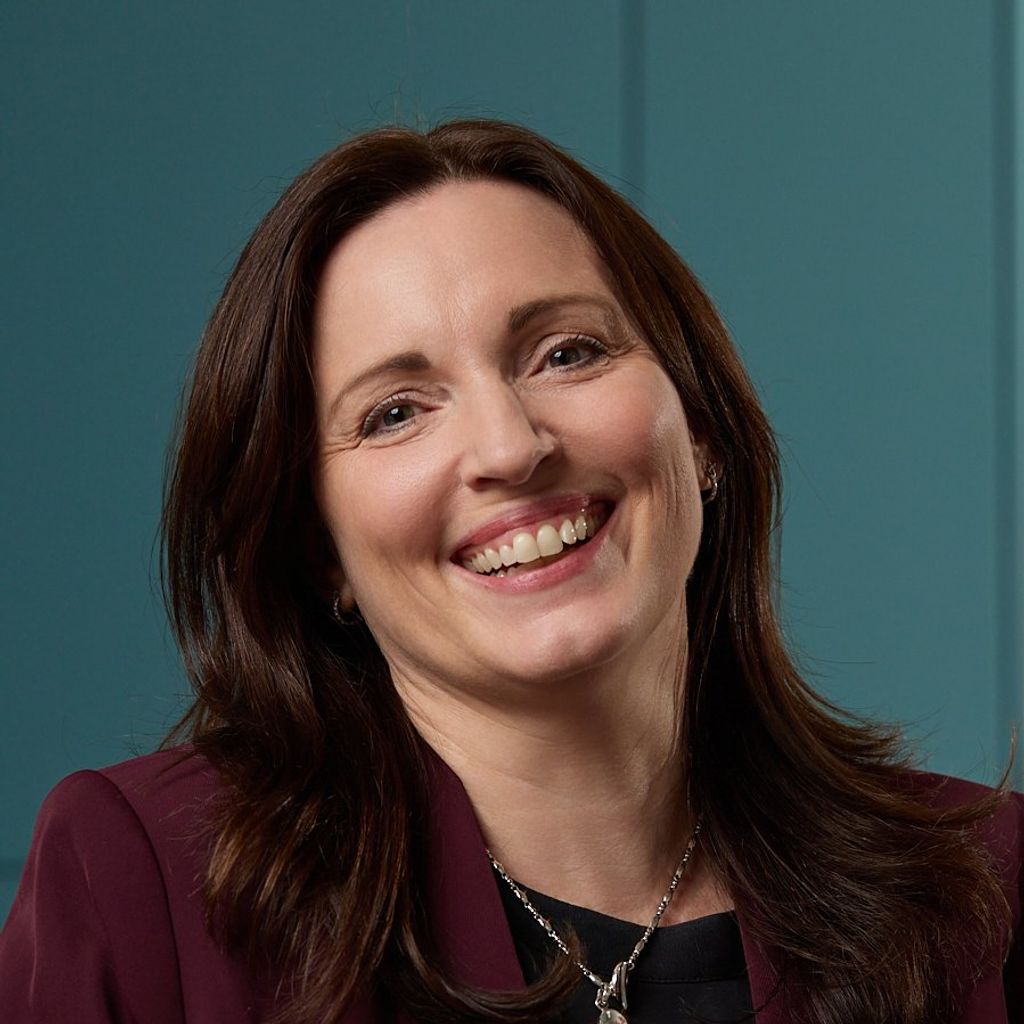
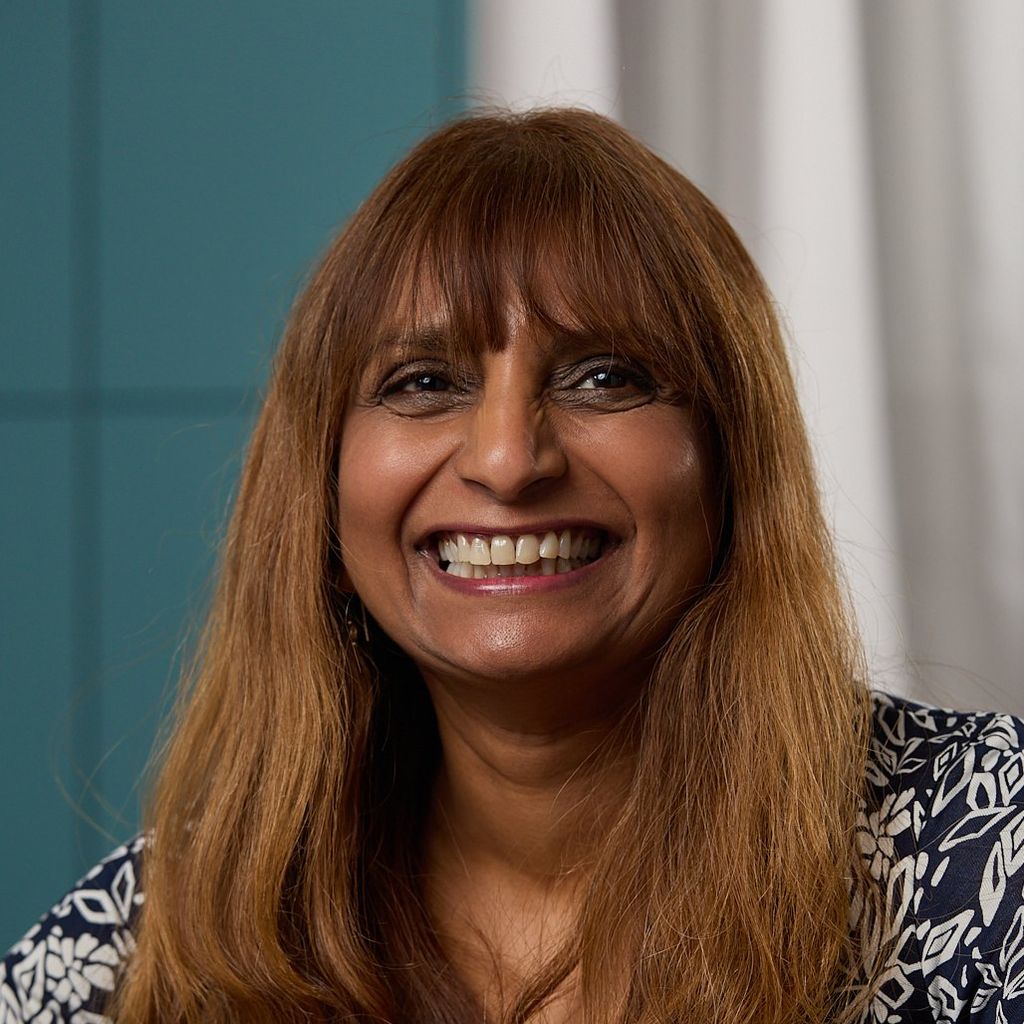
Coaches who specialize in leading connected teams
Drawn from our in-house and affiliate network of 70+ coaches, and matched to your people after a first conversation.
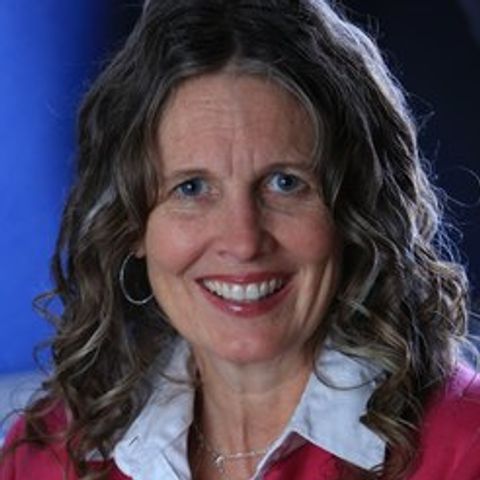
Teresa Hopke
President, Talking Talent Americas and Board Member · Americas
- MA Industrial/Organizational Psychology
Insights
Further reading
Showing Up as Your Authentic Self: Is It Easier Said Than Done?
Being your authentic self at work doesn’t mean sharing everything or acting on every feeling. Leadership coach Renita Alexander explains why it starts with knowing yourself, and why leaders have to trust first.
The Power of Kindness in the Workplace
Nice keeps things pleasant; kind takes intention, courage and time. Coach Nick Ferraiolo on why kindness is a leadership strength, how it lifts performance, and how to build it into a culture.
The Career Paradox for UK Women
In our 2014 survey of 1,000 UK professional women, 80% said their employer supported women, yet 36% had faced prejudice at work because of their gender. Here is what we found, sector by sector, and what it asks of employers.
Questions and answers
What is inclusive leadership?
Inclusive leadership is a set of behaviors that help everyone in a team contribute fully: creating psychological safety, inviting different perspectives, making fair decisions and handling conflict constructively. It’s learned and practiced, not a personality trait, which is why coaching works well for developing it.
What is psychological safety, and why does it matter?
Psychological safety is the shared belief that it’s safe to take interpersonal risks at work: to ask a question, admit a mistake or challenge an idea. Without it, people hold back. Leaders shape it more than anyone, through how they respond when someone speaks up.
How do you develop inclusive leadership skills?
Through coaching and practice rather than awareness training alone. Leaders reflect on their own identity and habits, learn specific behaviors, and try them in real situations such as meetings, feedback and conflict. They then review what happened with a coach or peers and adjust.
Do emotional intelligence and cultural dexterity really matter for leaders?
Yes. Emotional intelligence helps leaders notice how their own reactions affect their team, and choose how to respond. Cultural dexterity helps them interpret behavior accurately and adapt across different backgrounds. Both make leaders easier to work for and better at drawing out their team’s best thinking.
Talk to us about leading connected teams
Tell us about your leaders and the culture you want them to build. We’ll suggest a program that fits.